

Virtual Reality Predictions for 2025
Author
Gerald Ferreira
Date Published
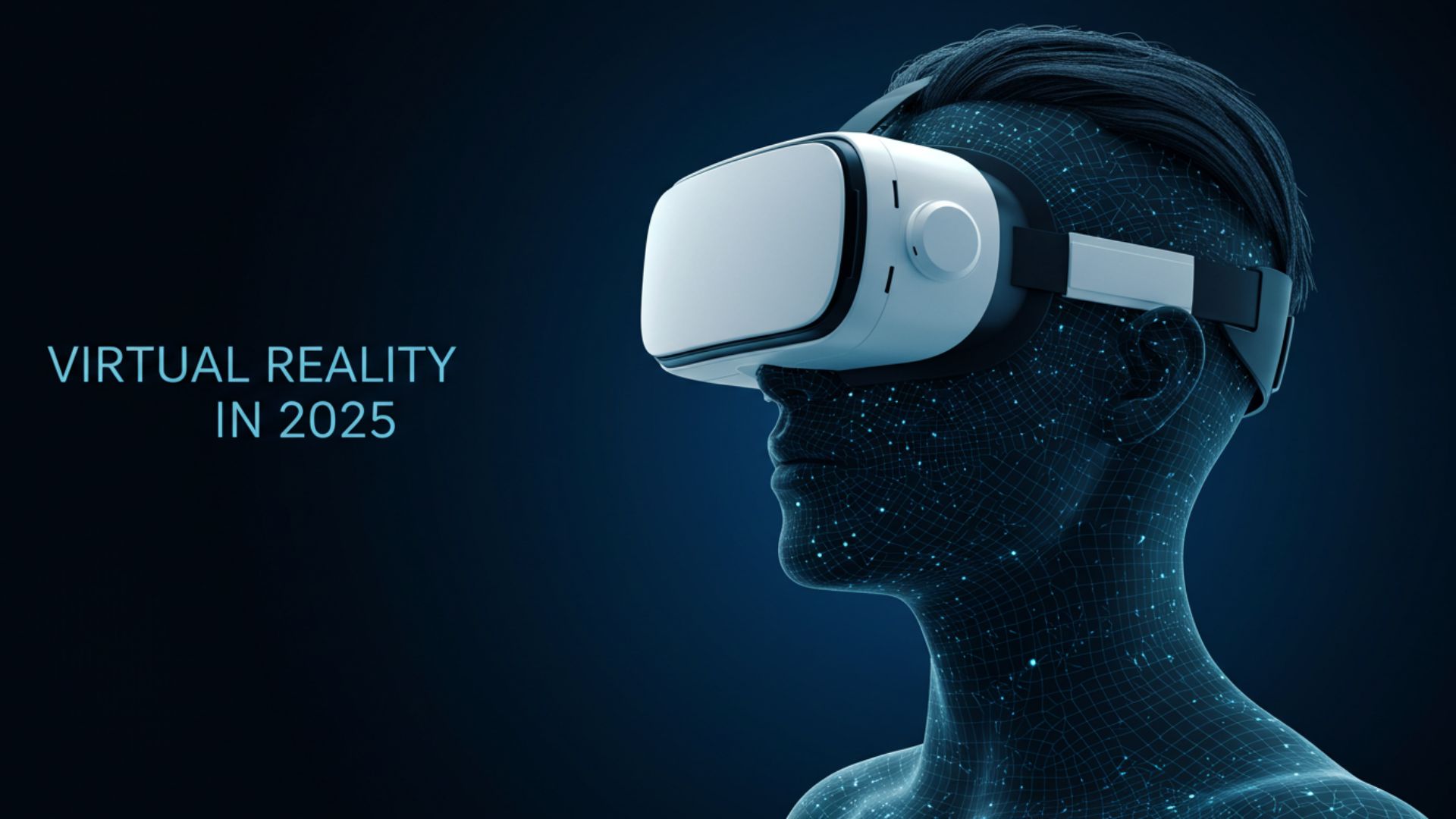
Navigating the Next Frontier of Virtual Reality
As we approach the mid-2020s, virtual reality (VR) is poised to transcend its current boundaries, evolving into a more integrated and sophisticated component of daily life. The convergence of technological advancements and creative innovations is setting the stage for VR to revolutionize various sectors, from entertainment and education to healthcare and beyond. Envision a world where virtual and physical realities seamlessly intertwine, offering unprecedented experiences and opportunities. This vision is not far from reality, with 2025 marking a pivotal year in the maturation of VR technologies.
Advancements in Hardware Technology
Lightweight and Ergonomic Headsets
The future of VR hinges on the comfort and usability of its hardware. By 2025, headsets are expected to become significantly lighter and more ergonomic, reducing the physical strain on users during extended sessions. Imagine slipping on a device that feels as natural as a pair of sunglasses, allowing for prolonged use without discomfort. This shift not only enhances user experience but also broadens the appeal of VR to a wider audience, including those who may have previously found headsets cumbersome.
Innovations in materials science are driving these improvements, utilizing advanced composites and flexible components to create headsets that adapt to various head shapes and sizes. Additionally, wireless technology advancements will eliminate the need for cumbersome cables, offering greater freedom of movement and a more immersive experience. These ergonomic enhancements are crucial for fostering long-term adoption and integrating VR seamlessly into everyday life.
Haptic Feedback and Sensory Immersion
To elevate the sense of presence within virtual environments, haptic feedback systems are becoming increasingly sophisticated. By 2025, VR devices will likely incorporate multi-dimensional haptic interfaces that provide tactile sensations corresponding to virtual interactions. Picture feeling the texture of a virtual surface or the impact of an object during a simulation, adding a layer of realism that deepens immersion.
These advancements are achieved through the integration of precise actuators and responsive materials that can mimic a wide range of physical sensations. Enhanced haptic feedback not only enriches gaming and entertainment but also holds significant potential for training and therapeutic applications. For instance, medical professionals can practice delicate procedures in a virtual setting with realistic tactile feedback, bridging the gap between simulation and real-world practice.
Increased Accessibility and Affordability
As VR technology matures, efforts to make it more accessible and affordable are gaining momentum. By 2025, the cost of high-quality VR headsets is projected to decrease, making advanced virtual experiences available to a broader demographic. This democratization of VR technology parallels the historical trend seen with personal computers and smartphones, where initial high costs eventually give way to mass adoption.
Manufacturers are optimizing production processes and leveraging economies of scale to lower prices without compromising quality. Additionally, the development of modular VR systems allows users to customize their setups according to their budget and needs, further enhancing accessibility. This trend not only fosters greater inclusivity but also stimulates innovation as more diverse voices contribute to the evolution of VR applications.

Enhanced User Experience and Interaction
Natural User Interfaces and Gesture Recognition
The quest for more intuitive interaction methods within VR environments is driving the development of natural user interfaces (NUIs). By 2025, gesture recognition technology is expected to become more accurate and responsive, enabling users to interact with virtual elements through hand movements and body gestures. Imagine navigating a virtual workspace or manipulating objects with the same ease as you would in the physical world, eliminating the need for traditional controllers.
Advancements in machine learning and computer vision are enhancing the precision of gesture recognition systems, allowing for more fluid and seamless interactions. These NUIs not only improve user experience but also open up new possibilities for accessibility, enabling individuals with physical limitations to engage with VR environments more effectively. The integration of voice commands and eye-tracking technologies will further streamline interactions, creating a more cohesive and immersive user experience.
Personalized Virtual Environments
Customization is becoming a cornerstone of user satisfaction in VR. By 2025, VR platforms will offer highly personalized virtual environments tailored to individual preferences and needs. Envision stepping into a virtual space that reflects your unique aesthetic tastes, adapts to your specific requirements, and evolves based on your interactions. This level of personalization enhances engagement and ensures that virtual experiences resonate more deeply with users.
Artificial intelligence and data analytics play pivotal roles in creating these personalized environments. By analyzing user behavior and preferences, VR systems can dynamically adjust settings, content, and interactions to align with individual tastes. Whether for gaming, education, or professional training, personalized virtual environments ensure that each user's journey is uniquely tailored, fostering a more meaningful and effective experience.
Seamless Multi-User Collaboration
The future of VR is inherently social, with an emphasis on collaborative experiences. By 2025, VR platforms are expected to support seamless multi-user interactions, enabling individuals from different locations to collaborate in shared virtual spaces. Imagine conducting a business meeting where participants interact with 3D models, share real-time annotations, and engage in dynamic discussions as if they were physically present together.
Advancements in network infrastructure and cloud computing are facilitating these multi-user experiences by ensuring low-latency connections and high-fidelity graphics. Enhanced avatars and real-time synchronization of actions contribute to a more lifelike and engaging collaborative environment. This capability is particularly valuable for remote teams, educational institutions, and creative industries, where virtual collaboration can significantly enhance productivity and innovation.

Integration with Other Emerging Technologies
Augmented Reality and Mixed Reality Convergence
The lines between virtual reality (VR), augmented reality (AR), and mixed reality (MR) are blurring as these technologies increasingly converge. By 2025, hybrid devices that seamlessly switch between VR, AR, and MR modes are anticipated to become more prevalent. Picture a headset that can transport you to a fully immersive virtual world or overlay digital information onto your physical surroundings with a simple gesture, offering unparalleled versatility.
This convergence is driven by advancements in display technologies, sensor integration, and software interoperability. Hybrid devices enable users to transition effortlessly between different modes of reality, expanding the range of possible applications. For instance, professionals can use VR for intensive simulations and switch to AR for real-time data visualization and interaction with physical objects, creating a more integrated and efficient workflow.
Artificial Intelligence and Machine Learning Enhancements
Artificial intelligence (AI) and machine learning (ML) are set to play transformative roles in the evolution of VR. By 2025, AI-driven algorithms will enhance virtual environments by enabling more intelligent and responsive virtual entities. Imagine interacting with virtual characters that can understand and respond to your actions and emotions in real-time, creating more lifelike and engaging experiences.
AI and ML are also critical in optimizing content creation and personalization within VR. These technologies can analyze user behavior to predict preferences, dynamically adjusting virtual environments to better suit individual needs. Additionally, AI-powered analytics can provide valuable insights into user interactions, informing the development of more effective and immersive VR applications across various industries, from entertainment to healthcare.
Blockchain and Virtual Economies
Blockchain technology is poised to revolutionize virtual economies within VR platforms. By 2025, decentralized blockchain systems are expected to underpin secure and transparent virtual transactions, enabling the creation and exchange of digital assets with greater trust and efficiency. Envision a virtual marketplace where users can buy, sell, and trade digital goods and services using blockchain-based currencies, ensuring ownership and provenance through immutable records.
The integration of blockchain into VR ecosystems facilitates the development of robust virtual economies, where users can monetize their creations and engage in economic activities with confidence. Smart contracts and decentralized applications (dApps) enhance security and streamline transactions, reducing the risk of fraud and enhancing user trust. This synergy between blockchain and VR not only fosters economic growth within virtual spaces but also bridges the gap between digital and physical economies.

Expansion into Various Industries
Education and Training Revolution
Virtual reality is set to transform education and professional training by providing immersive and interactive learning environments. By 2025, VR-based educational platforms will offer experiential learning opportunities that transcend traditional classroom boundaries. Imagine students exploring historical landmarks in virtual reality or medical trainees practicing surgical procedures in a risk-free virtual setting, enhancing understanding and retention through hands-on experience.
The ability to simulate complex scenarios and environments makes VR an invaluable tool for training across diverse fields. From military simulations and emergency response training to corporate onboarding and technical skills development, VR enables realistic and repeatable training experiences that improve proficiency and confidence. Educational institutions and organizations are increasingly adopting VR technologies to enhance their curricula and training programs, fostering a more skilled and adaptable workforce.
Healthcare and Therapeutic Applications
In the healthcare sector, virtual reality is emerging as a powerful tool for both treatment and training. By 2025, VR applications are expected to play a significant role in pain management, physical therapy, and mental health treatment. Imagine patients undergoing virtual reality therapy to alleviate chronic pain or anxiety, engaging in therapeutic activities within a controlled and supportive virtual environment.
VR also offers transformative potential for medical training and surgical planning. Surgeons can practice complex procedures in a virtual space, improving their skills and reducing the likelihood of errors in real-world operations. Additionally, VR-based simulations provide medical professionals with opportunities to visualize and interact with anatomical structures in three dimensions, enhancing their understanding and precision. These applications underscore VR's capacity to enhance patient care and medical education, ultimately improving health outcomes.
Real Estate and Virtual Property Tours
The real estate industry is leveraging virtual reality to offer immersive property tours and enhance the home-buying experience. By 2025, VR-enabled real estate platforms will allow potential buyers to explore properties remotely, visualizing spaces with realistic detail and interactive features. Imagine walking through a home from the comfort of your current residence, customizing finishes and layouts in real-time to envision your ideal living space.
This technological advancement not only streamlines the property search process but also broadens the market reach for real estate professionals. Virtual tours reduce the need for physical visits, saving time and resources for both buyers and sellers. Additionally, VR can facilitate virtual staging and renovation planning, enabling clients to experiment with different design options and make informed decisions. The integration of VR into real estate practices enhances the overall experience, making property transactions more efficient and engaging.

Social and Ethical Implications of VR in 2025
Privacy and Data Security Concerns
As virtual reality becomes more pervasive, issues surrounding privacy and data security are increasingly critical. By 2025, the collection and utilization of personal data within VR environments will necessitate robust security measures and stringent privacy regulations. Imagine navigating a virtual world where every interaction, preference, and biometric detail is meticulously tracked, raising concerns about data ownership and misuse.
The implementation of advanced encryption techniques and decentralized data storage solutions is essential to protect user information. Additionally, transparent policies and user consent mechanisms must be established to ensure that individuals have control over their data. Addressing these privacy and security challenges is paramount to fostering trust and safeguarding users in an increasingly immersive digital landscape.
Digital Addiction and Mental Health
The immersive nature of VR presents potential risks related to digital addiction and mental health. By 2025, as VR becomes more integrated into daily life, it is essential to address the psychological impacts of prolonged virtual engagement. Imagine individuals becoming overly reliant on virtual interactions, leading to diminished real-world social connections and increased vulnerability to mental health issues such as anxiety and depression.
Mitigating these risks requires a balanced approach to VR usage, emphasizing moderation and the promotion of healthy habits. Developers and stakeholders must collaborate to design VR experiences that encourage positive engagement and provide resources for mental well-being. Additionally, ongoing research into the psychological effects of VR can inform the creation of safeguards and support systems, ensuring that the benefits of VR are harnessed without compromising mental health.
Ethical Considerations in Virtual Content Creation
The creation and dissemination of virtual content raise important ethical questions regarding representation, consent, and the potential for misuse. By 2025, as VR platforms proliferate, ensuring ethical standards in content creation and distribution will be crucial. Imagine scenarios where virtual environments replicate real-world settings without appropriate consent, or where digital representations perpetuate harmful stereotypes and biases.
Establishing ethical guidelines and regulatory frameworks is essential to govern the development and deployment of virtual content. This includes promoting diversity and inclusivity, safeguarding against the creation of harmful or misleading virtual experiences, and ensuring that content creators adhere to responsible practices. Addressing these ethical considerations is vital for fostering a respectful and equitable virtual society, where the power of VR is harnessed for positive and inclusive purposes.

Frequently Asked Questions
What are the key advancements expected in VR hardware by 2025?
By 2025, VR hardware is anticipated to become lighter and more ergonomic, reducing user fatigue during extended use. Advancements in haptic feedback will provide more realistic tactile sensations, enhancing immersion. Additionally, increased accessibility and affordability will make high-quality VR headsets more available to a broader audience, driven by improved production processes and modular designs.
How will VR enhance education and training in the coming years?
Virtual reality will revolutionize education and training by offering immersive and interactive learning environments. Students can engage in experiential learning, such as exploring historical sites or practicing medical procedures in a virtual setting. For professional training, VR provides realistic simulations that improve skill proficiency and confidence, benefiting fields like healthcare, military, and technical industries.
What role will artificial intelligence play in the evolution of VR?
Artificial intelligence will significantly enhance VR by enabling more intelligent and responsive virtual entities. AI-driven algorithms will create lifelike interactions with virtual characters, while machine learning will personalize virtual environments based on user behavior and preferences. Additionally, AI will optimize content creation and provide valuable analytics, informing the development of more effective and immersive VR applications.
How is blockchain expected to influence virtual economies within VR platforms?
Blockchain technology will underpin secure and transparent virtual transactions within VR platforms, facilitating the creation and exchange of digital assets. Decentralized blockchain systems will enable users to buy, sell, and trade digital goods with confidence, ensuring ownership and provenance through immutable records. This integration will foster robust virtual economies, allowing users to monetize their creations and engage in economic activities with enhanced security and trust.
What are the potential mental health risks associated with increased VR usage?
Increased VR usage can lead to digital addiction and mental health issues such as anxiety and depression due to excessive virtual engagement and diminished real-world social interactions. Prolonged use of immersive VR environments may also contribute to feelings of isolation and dependency. Addressing these risks requires promoting balanced VR usage, incorporating mental health resources, and designing experiences that encourage positive and healthy engagement.